The Past, The Present, and The Hypothetical Future of Arcade Games
The Past
Arcade games were a defining feature of the 1980s and 1990s, offering a thrilling, immersive experience that set them apart from home gaming systems. At a time when graphics were basic by today's standards, the focus was on simple yet challenging gameplay. Titles like Pac-Man, Donkey Kong, and Space Invaders captivated millions with their addictive mechanics and competitive high-score systems. Players dropped in coins to take on these digital challenges, battling both the game and each other for supremacy. Arcades became social hubs where friends gathered to play together, share tips, and revel in the excitement of watching someone rack up a crazy high score. It wasn't just about beating the game—it was about showing off your skills to everyone around you, making it an experience that was as much about community as it was about competition.| Arcade Game Timeline | |
|---|---|
| Year |
Popular Games |
| 1971 | Galaxy Game, Computer Space |
| 1972 | Pong |
| 1974 | Speed Race |
| 1975 | Destruction Derby, Hi-Way, Indy 800, Steeplechase |
| 1976 | Moto-Cross, Nürburgring 1, Heavyweight Champ, Night Driver, Breakout, Death Race, Blockade, Speed Race Twin |
| 1977 | Space Wars, Drag Race, Canyon Bomber, Super Bug, Boot Hill |
| 1978 | Space Invaders |
| 1979 | Galaxian, Lunar Landers, Asteroids |
| 1980 | Speak & Rescue, Stratovox, Battlezone, Pac-Man |
| 1981 | Space Fury, Donkey Kong, Galaga, Scramble, Frogger, Defender |
| 1982 | Joust, Pole Position, Donkey Kong Jr. |
| 1983 | Journey, Astron Belt, Star Wars, Mario Bros, Donkey Kong 3D, Star Rider, Cube Quest |
| 1984 | Marble Madness, I, Robot, Return of the Jedi, Karate Champ, Kung-Fu Master, Pac-Land, Flicky, Ninja Hayate, Punch-Out!!, Super Punch-Out!!, Bally Midway, Turkey Shoot, The Last Starfighter |
| 1985 | Gauntlet, Gradius, Space Harrier, Tehkan World Cup, Gridiron Fight, The Empire Strikes Back, Paperboy |
| 1986 | Vs. Super Mario Bros., Bubble Bobble, Out Run, Chiller |
| 1987 | Double Dragon |
| 1988 | NARC, Assault, Splatterhouse, Winning Run, Top Landing |
| 1989 | Exterminator, Hard Drivin', S.T.U.N. Runner |
| 1990 | Pit-Fighter, Galaxian, NAM-1975 |
| 1991 | Street Fighter II |
| 1992 | Virtua Racing, Mortal Kombat |
| 1993 | Mortal Kombat 2, Virtua Fighter |
| 1994 | Tekken, Killer Instinct |
| 1995 | Mortal Kombat 3 |
| 1996 | Metal Slug |
| 1998 | Dance Dance Revolution, Gauntlet Legends, |
| 1999 | Rush 2049, Hydro Thunder |
| 2000 | Marvel vs. Capcom 2: New Age of Heroes |
| 2001 | Tekken 4 & Virtua Fighter 4 |
| 2002 | Arctic Thunder Special Edition & World Club Champion Football |
The Present
An arcade game or coin-op game is a coin-operated entertainment machine typically installed in public businesses such as restaurants, bars and amusement arcades. Most arcade games are presented as primarily games of skill and include arcade video games, pinball machines, electro-mechanical games, redemption games or merchandisers. Today, arcade games have evolved but still carry the essence of their golden era. While traditional arcades have become less common, they've been replaced by modern entertainment centers that blend classic and cutting-edge technology. Arcade games now feature stunning graphics, immersive virtual reality, and even motion-tracking technology, transforming the experience into something more interactive and dynamic than ever before. For example, games like Dance Dance Revolution or The Walking Dead are as much about physical movement and immersion as they are about the gameplay itself. Many modern arcades have also adopted a "pay-for-play" system with unlimited time, offering players a way to enjoy a variety of experiences without worrying about running out of quarters. While the arcade experience has changed, it remains a nostalgic escape for many, especially in places like Dave & Buster’s or gaming lounges, where people can still gather with friends to compete, enjoy the atmosphere, and relive the thrill of gaming together. The cultural impact of arcades may not be as profound today, but they still hold a special place in the hearts of those who grew up with them. Newer generations are discovering the magic of arcade games through retro-themed pop-ups or VR arcades, where the combination of nostalgia and modern technology provides an exciting mix. While gaming now primarily happens on home consoles or mobile devices, the arcade remains a unique, physical space where players can experience a kind of communal, on-the-spot entertainment that's difficult to replicate elsewhere. Whether it's the vintage cabinets in a corner bar or the VR-powered machines in a sleek gaming lounge, arcades continue to evolve while honoring their roots as places of connection, competition, and fun.The Future
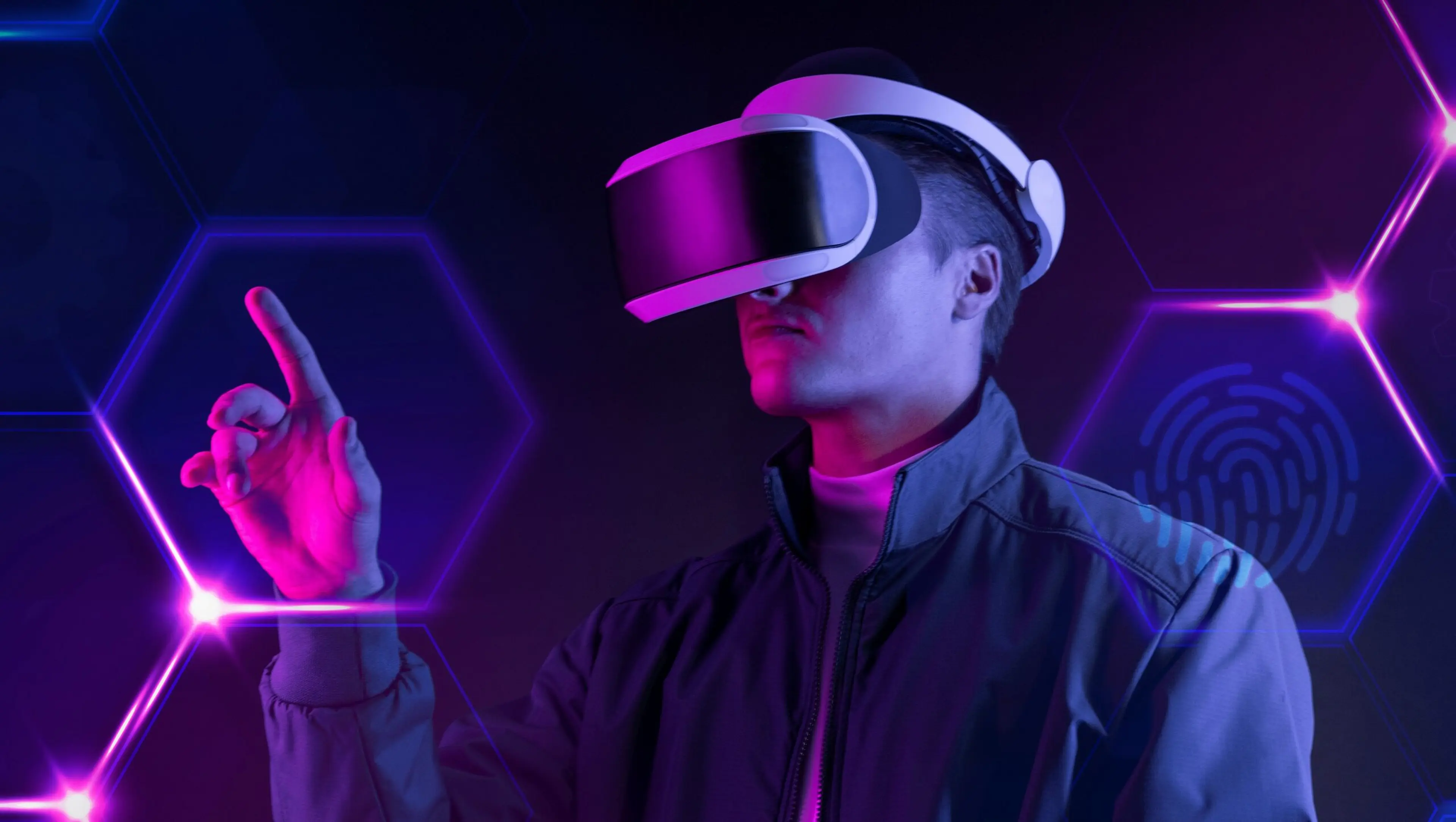
As virtual reality technology advances, it's poised to revolutionize arcade gaming, but it may also diminish the social aspect that defined the classic arcade experience. VR arcades are already offering immersive, solo experiences where players can fully step into digital worlds, whether battling zombies, exploring alien landscapes, or racing through futuristic cities. While these experiences are undeniably captivating, they often require players to be isolated in their own virtual bubble, wearing headsets and tracking gear that separate them from others physically. The group dynamics of crowding around a Pac-Man machine or cheering on a friend in Street Fighter are being replaced with individual experiences that, while thrilling, lack the same communal energy. As VR becomes more prevalent in arcades, the traditional, face-to-face social interaction could fade, leaving a more solitary form of gaming that still feels distant from the old-school camaraderie and competition that once thrived in arcades.